

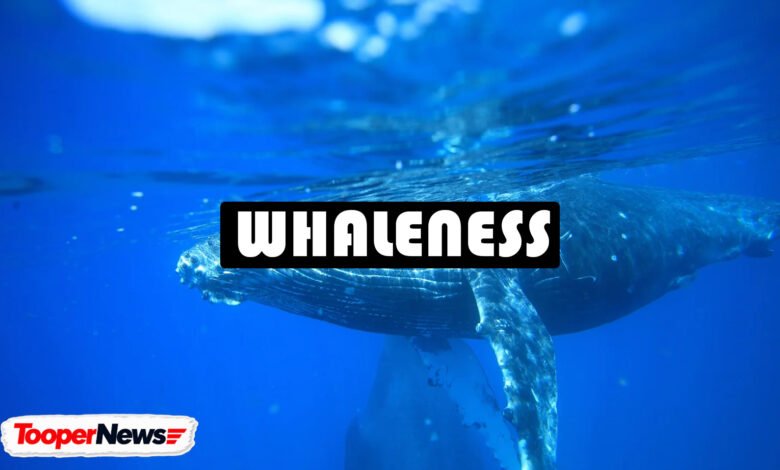
Whaleness is an emerging concept that connects the wellbeing of whales, the health of our oceans, and the way people experience life. It encourages a deeper appreciation of nature while exploring how marine ecosystems influence the planet. Rather than focusing only on personal wellness, Whaleness introduces a broader perspective that includes environmental responsibility, meaningful connections, and respect for wildlife. The idea offers a different way to think about living well in a world where human activities and natural systems remain closely connected.
The concept has become associated with whale conservation, nature-inspired wellbeing, and efforts to build stronger relationships between people and the environment. One prominent use comes from the organization we.are.tohorā, which describes Whaleness as wellbeing created by whales for people and the planet. Although the concept draws inspiration from established environmental science, it is not itself a recognized medical treatment or scientific discipline. Understanding its meaning, origins, and practical applications can help explain why it attracts interest.
What Is Whaleness?
Whaleness describes the idea that whales contribute to the wellbeing of the planet and can inspire people to develop a stronger connection with nature. The concept brings together environmental awareness, personal reflection, and appreciation for marine life. It recognizes that oceans support countless living organisms and that whales play important roles within these ecosystems. In this interpretation, wellbeing extends beyond individual health to include the natural environments that support life. Whaleness therefore encourages people to consider how their everyday choices affect the world around them.
The term also has different meanings depending on its context. In academic writing, researchers have used whaleness to explore the identity and representation of whales in literature. In contemporary environmental discussions, it often refers to the connection between whale conservation and human wellbeing. These meanings should not be confused with one another. The broader wellness interpretation is best understood as a developing philosophy rather than a universally accepted scientific definition. Its central message involves recognizing the relationship between people, wildlife, and healthy ecosystems.
The Origins and Background of Whaleness
The modern Whaleness movement is closely associated with Julia Graeter, founder and CEO of we.are.tohorā. The organization identifies her as the visionary behind its approach to connecting whale conservation with human and planetary wellbeing. Through educational activities, public speaking, and nature-focused experiences, the initiative encourages people to appreciate whales beyond their physical appearance. Its philosophy combines environmental knowledge, creativity, and conservation awareness. However, the exact date when the word Whaleness was first created or used in this particular sense is not publicly confirmed.
The word also appears in an academic context separate from the contemporary wellness movement. In 2024, researcher Svetlana Seibel published a paper titled The Whaleness of the Whale: Interspecies Relationality in Moby-Dick and In the Heart of the Sea. The study examines how whales are represented as beings rather than simply symbols in literary narratives. This demonstrates that the term can serve different purposes across environmental, philosophical, and literary discussions. Recognizing these distinctions provides a clearer understanding of its background without assigning every use to a single origin.
Why Whales Are Important to Ocean Health
Whales are important members of marine ecosystems because their feeding, movement, and biological activities influence the distribution of nutrients in the ocean. Some whales feed at depth and release nutrient-rich waste closer to the surface. This process can help make nutrients available to phytoplankton, microscopic organisms that form the foundation of many marine food webs. Whale movements can also transport nutrients between different ocean regions. These ecological functions demonstrate why protecting whales involves more than preserving individual species or maintaining opportunities for wildlife tourism.
Whales also participate in the ocean’s carbon cycle. Their bodies contain carbon, and some of that material may reach the deep sea after they die, supporting organisms that live on the ocean floor. Scientists continue to investigate how whale populations influence carbon storage and nutrient circulation at different scales. It would be inaccurate to claim that whales alone can solve climate change. Nevertheless, their ecological roles provide a scientific foundation for the environmental side of Whaleness and highlight the importance of protecting healthy marine ecosystems.
How Whaleness Connects Nature and Human Wellbeing
One of the most interesting aspects of Whaleness is its connection between environmental appreciation and personal wellbeing. Watching whales, learning about their behavior, or observing ocean environments can encourage curiosity and reflection. These experiences may create a sense of awe, especially when people encounter animals much larger than themselves. Such moments can shift attention away from everyday concerns and toward the wider natural world. However, emotional responses vary, and the concept should not be presented as a guaranteed method for reducing stress or improving mental health.
Whaleness also encourages people to consider how their surroundings influence daily life. Time outdoors, meaningful relationships, and opportunities for reflection can contribute to a balanced lifestyle. The philosophy uses whales as a source of inspiration rather than a model that humans should imitate literally. For example, someone might reflect on the importance of social connection after learning about communication among whales. These interpretations can be personally meaningful, but they remain philosophical lessons rather than scientifically established rules for human behavior.
The Main Principles Behind Whaleness
Whaleness is built around several connected themes: environmental awareness, appreciation for wildlife, personal reflection, and responsibility toward natural ecosystems. These themes encourage people to look beyond immediate needs and recognize their place within a larger living world. The concept also highlights the importance of learning from nature without making unsupported assumptions about animal behavior. Whales demonstrate complex patterns of communication, migration, and social interaction. Studying these behaviors can deepen scientific understanding while encouraging people to think about connection, cooperation, and respect.
Another important principle involves turning awareness into practical action. Appreciating whales has limited environmental value if that interest never influences everyday decisions. People can support marine conservation by learning about ocean pollution, reducing unnecessary waste, and choosing responsible wildlife experiences. Community education and conservation initiatives can also help people understand threats to marine biodiversity. These actions do not require someone to follow a formal Whaleness program. Instead, they represent realistic ways to connect personal interests with broader environmental responsibility.
How to Practice Whaleness in Everyday Life
Practicing Whaleness does not require living near the ocean or traveling to see whales. People can begin by learning about marine ecosystems through documentaries, scientific publications, museums, and educational programs. Spending time in local natural environments can also encourage greater awareness of the living world. A walk through a park, an afternoon near a river, or a quiet moment observing wildlife can provide opportunities for reflection. The goal is not to follow strict rules but to develop habits that encourage curiosity, environmental awareness, and thoughtful living.
Daily choices can also reflect the values associated with Whaleness. Reducing disposable plastic use, disposing of waste responsibly, and supporting credible conservation efforts are practical starting points. People interested in whale watching should select operators that follow local wildlife protection regulations and maintain safe distances from animals. Equally important, individuals can make time for meaningful conversations, adequate rest, and activities that support their general wellbeing. These habits offer a balanced interpretation of Whaleness without presenting it as a medical program or promising specific health outcomes.
Whaleness and the Importance of Marine Conservation
Marine conservation plays a central role in the environmental interpretation of Whaleness. Whales face threats that include fishing gear entanglement, vessel collisions, underwater noise, habitat changes, and pollution. The severity of these threats varies among species and locations. Conservation efforts aim to reduce avoidable harm while protecting the habitats and food sources that whales need. Understanding these challenges helps explain why whale protection requires cooperation among researchers, governments, industries, and communities rather than relying entirely on individual lifestyle changes.
Public awareness can support conservation by encouraging responsible behavior and informed decision-making. Educational campaigns, scientific research, protected marine areas, and improved fishing practices all contribute to efforts to reduce threats to whales. Responsible tourism also matters because poorly managed wildlife encounters can disturb animals and interfere with natural behavior. Conservation-minded visitors should follow local viewing regulations and avoid activities that encourage close contact with wild whales. Through this perspective, Whaleness connects admiration for marine wildlife with the responsibility to protect it.
Whaleness vs. Traditional Wellness: What Is the Difference?
Traditional wellness generally focuses on maintaining or improving personal wellbeing through habits involving physical activity, nutrition, sleep, emotional health, and social relationships. Whaleness, as presented by its contemporary advocates, introduces an additional environmental dimension. It encourages people to recognize that human life depends on healthy natural systems, including oceans. While both approaches can involve reflection and lifestyle choices, Whaleness places particular emphasis on whales and their ecological importance. This makes it more closely connected to environmental education and conservation than conventional individual wellness programs.
The distinction is important because Whaleness should not be mistaken for an established healthcare method. No publicly verified clinical evidence demonstrates that following Whaleness as a named philosophy produces specific medical benefits. Nature-related activities may be enjoyable or personally meaningful, but their effects depend on the individual and the activity involved. Similarly, listening to whale recordings or watching ocean videos should not be presented as a substitute for professional treatment. The concept is most useful when approached as an invitation to learn, reflect, and act responsibly.
The Future of Whaleness and Its Growing Relevance
The future of Whaleness will depend on how clearly its advocates communicate its purpose and connect its message with reliable environmental knowledge. Its combination of marine conservation and personal reflection offers opportunities for educational projects, community discussions, and responsible nature experiences. Organizations can use whale-related learning activities to introduce people to biodiversity, ocean ecosystems, and environmental responsibility. However, the movement’s long-term reach, public adoption, and measurable outcomes are not publicly confirmed through comprehensive independent research.
As discussions about environmental protection continue, Whaleness provides a memorable way to explore the relationship between human wellbeing and the natural world. Its strongest contribution may come from encouraging people to care about marine life and understand the scientific reasons behind conservation. Maintaining a clear distinction between environmental evidence and personal interpretation will remain essential. Rather than promising dramatic personal transformation, the concept can encourage realistic choices that support learning, appreciation for wildlife, and greater respect for the ecosystems that sustain life.
Conclusion
Whaleness brings together an appreciation for whales, environmental responsibility, and a broader understanding of wellbeing. The concept encourages people to recognize that healthy oceans matter to the planet and that learning about marine life can inspire more thoughtful relationships with nature. Although Whaleness is not a scientifically validated wellness treatment, its environmental themes connect with established research on marine ecosystems and whale conservation. Its value lies in encouraging curiosity, reflection, and practical awareness rather than making promises about personal health.
Ultimately, understanding Whaleness means recognizing the difference between inspiration and scientific evidence. Whales have important ecological roles, while the personal meanings people draw from them remain individual interpretations. By learning about marine wildlife, respecting natural habitats, and making responsible everyday choices, people can explore the ideas associated with Whaleness in meaningful ways. The concept offers a reminder that caring for the natural world and thinking about human wellbeing do not have to be separate conversations.
Frequently Asked Questions (FAQs)
1. What does Whaleness mean?
Whaleness is a concept connecting the wellbeing of whales, ocean health, and human appreciation for nature. In its contemporary environmental interpretation, it encourages people to recognize the ecological importance of whales while developing greater awareness of the natural world. The term can also appear in academic and philosophical discussions with different meanings. It is not a universally established scientific concept.
2. Who introduced the Whaleness concept?
The contemporary Whaleness movement is associated with Julia Graeter, founder and CEO of we.are.tohorā. Her organization promotes the idea of wellbeing created by whales for people and the planet. However, the exact original creation date of the term is not publicly confirmed, and the word has appeared in other contexts.
3. Is Whaleness scientifically proven?
Whaleness is not recognized as a scientifically validated medical treatment or an established scientific discipline. However, certain environmental ideas connected with it are supported by marine research. Scientists have studied how whales influence nutrient cycling, food webs, and ocean ecosystems. These findings should be distinguished from claims about personal health benefits.
4. How can someone practice Whaleness?
People can explore Whaleness by learning about whales, spending time in nature, reducing unnecessary waste, and supporting responsible marine conservation. Watching educational documentaries, participating in environmental activities, and choosing ethical wildlife tourism are practical options. Living near the ocean is not necessary to appreciate the concept or its environmental message.
5. Why is Whaleness important for the environment?
Whaleness draws attention to the ecological importance of whales and the need to protect marine habitats. Whales contribute to nutrient movement and marine food webs, while many populations face threats from human activities. The concept encourages environmental awareness and responsible behavior, helping connect public interest in whales with broader conservation efforts.