

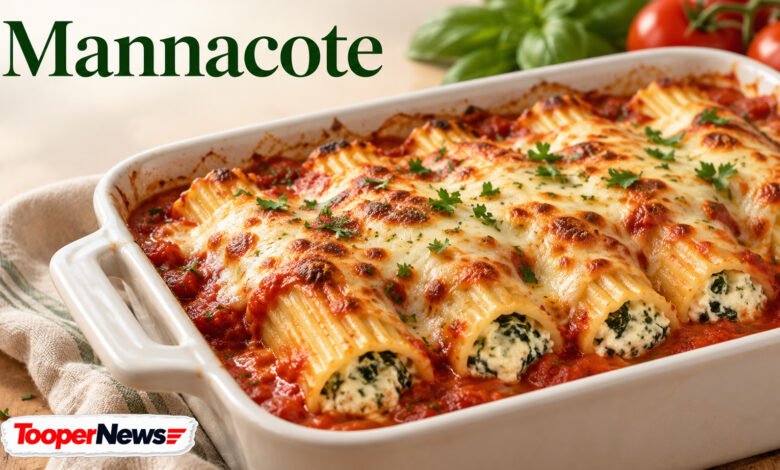
Mannacote is a warm, baked pasta dish that many Italian-American families have enjoyed for generations. Large tubular shells hold a creamy cheese filling, then sit in tomato sauce and bake until the top bubbles and turns golden. The name itself is not standard Italian; it is a familiar home pronunciation and spelling of the better-known dish manicotti.
Home cooks often use the word when they talk about Sunday dinners, holiday tables, or the smell of sauce and cheese coming from the oven. Whether the menu calls it mannacote or Manicotti, the result is the same hearty, satisfying meal that brings people together.
What Is Mannacote?
Mannacote is essentially the same preparation as Manicotti. Cooks large pasta tubes with a mixture that usually starts with ricotta, then adds more cheese, an egg, and herbs. They arrange the tubes in a baking dish, cover them with marinara or meat sauce, sprinkle extra cheese on top, and bake until everything is hot and the surface browns lightly.
Stores often label the pasta tubes as manicotti shells. Some older recipes use thin crepes or crespelle instead of dried tubes, which creates a slightly different texture. In both cases, the finished dish is soft, rich, and full of cheese and tomato flavor.
Origins and the Link to Manicotti
Italian immigrants who arrived in the United States in the late nineteenth and early twentieth centuries adapted stuffed-pasta ideas they knew from home. Fresh pasta sheets were harder to make every day, so ready-made large tubes became a practical choice. Over time, the Italian-American version settled into the baked form now called Manicotti.
The word Manicotti comes from Italian and roughly means “little sleeves,” referring to the tube shape. In many Northeastern Italian-American households, spoken dialects and everyday pronunciation shifted the sound toward mannacote. Families passed the name down orally, so it feels personal even though it does not appear as a standard term in traditional Italian cookbooks.
Mannacote vs. Manicotti vs. Cannelloni
There is no meaningful difference between mannacote and Manicotti. Both names point to stuffed pasta tubes baked in sauce with cheese. You’ll see Manicotti on pasta boxes, restaurant menus, and most cookbooks. Mannacote is the warmer, family-style version of the same word.
Cannelloni is the closest traditional Italian counterpart. In Italy, cooks often roll thin pasta sheets or crepes around the filling rather than using the ridged dried tubes common in American markets. Fillings and sauces can be similar, yet the pasta form and overall style remain slightly distinct.
Classic Ingredients for Manicotti
A basic filling uses whole-milk ricotta, shredded mozzarella, grated Parmesan or Pecorino, one or two eggs, and chopped fresh parsley or basil. Salt, black pepper, and a little garlic or Italian seasoning complete the mix. Some recipes add a handful of cooked spinach or a small amount of ground meat for extra flavor.
The sauce is usually a simple marinara or a longer-simmered tomato sauce. Extra mozzarella or a mix of mozzarella and Parmesan goes on top so it melts and browns. Dried pasta tubes labeled as manicotti shells are the most common choice; boil them briefly or use oven-ready versions, depending on the package directions.
How to Prepare Manicotti at Home
Mix the filling ingredients until they are well combined and slightly firm. Cook the pasta tubes only until they are pliable if the package requires it, then cool them enough to handle. Spoon or pipe the filling into each tube, then place the tubes in a baking dish with a thin layer of sauce on the bottom.
Cover the stuffed tubes with the remaining sauce and a generous layer of shredded cheese. Bake covered for about 30 minutes at 375°F (190°C), then uncover for the final 10 minutes so the top browns. Let the dish rest for a few minutes before serving so the filling sets, and portions stay neat.
Popular Variations and Adaptations
Spinach manicotti is one of the most common changes. Cooked, squeezed spinach is stirred into the cheese mixture for color and a milder vegetable note. Meat versions add browned ground beef or Italian sausage to the filling or use a meat sauce instead of plain marinara.
Modern cooks sometimes make gluten-free versions with specialty pasta tubes or crepes. Others lighten the dish by using part-skim ricotta or adding more vegetables. All of these still follow the same basic method of stuffing, saucing, and baking.
Serving Suggestions and Pairings
Serve Manicotti with a simple green salad dressed in olive oil and lemon or vinegar. Crusty Italian bread is useful for soaking up extra sauce. A medium-bodied red wine such as Chianti or Montepulciano d’Abruzzo pairs well with the tomato and cheese flavors.
The dish reheats well the next day. Cover leftovers and warm them in the oven so the pasta stays soft and the cheese does not dry out. Many people find the flavors even better after a night in the refrigerator.
Tips for Perfect Results
Briefly drain ricotta in a strainer if it looks very wet; this keeps the filling from becoming runny. Do not overfill the tubes, or they may split. If you use no-boil tubes, follow the package guidance carefully so they cook through without becoming tough.
Taste the filling before stuffing and adjust salt and herbs. Cover the dish tightly with foil for most of the baking time to keep the top from drying out. Let it rest after baking to make clean cuts.
Why Manicotti Remains a Family Favorite
The dish is practical for feeding a group. You can assemble it ahead of time and bake it when guests arrive. The combination of soft pasta, creamy filling, and savory sauce feels familiar and comforting without requiring advanced techniques.
Because the name and exact recipe often travel through families rather than formal cookbooks, each version carries a personal touch. That home-kitchen quality is part of what keeps the dish popular even when people use the more standard word manicotti on the grocery list.
Manicotti is simply the baked, cheese-stuffed pasta that many families have always known. Whether you call it by the colloquial name or by the more common spelling, the result is a reliable, generous meal that works for weeknights or gatherings. With a few basic ingredients and straightforward steps, anyone can bring this Italian-American classic to the table.
FAQs
Is Mannacote the same as Manicotti?
Yes. Mannacote is a common family or regional way of saying manicotti. Both refer to the same baked stuffed-pasta dish.
Is Mannacote an authentic Italian dish?
The dish is Italian-American. In Italy, the closest traditional form is cannelloni, which is often made with rolled fresh pasta rather than the dried tubes sold as Manicotti in the United States.
What is the usual filling for Manicotti?
The classic filling is ricotta mixed with mozzarella, Parmesan, egg, and herbs such as parsley. Spinach or ground meat are frequent optional additions.
Can I make Mannacote ahead of time?
Yes. Assemble the dish, cover it, and refrigerate for several hours or overnight. Add a few extra minutes to the baking time if baking from cold.
How do you pronounce Mannacote?
It is usually said as “man-na-coat.” The pronunciation varies slightly by family and region.
