

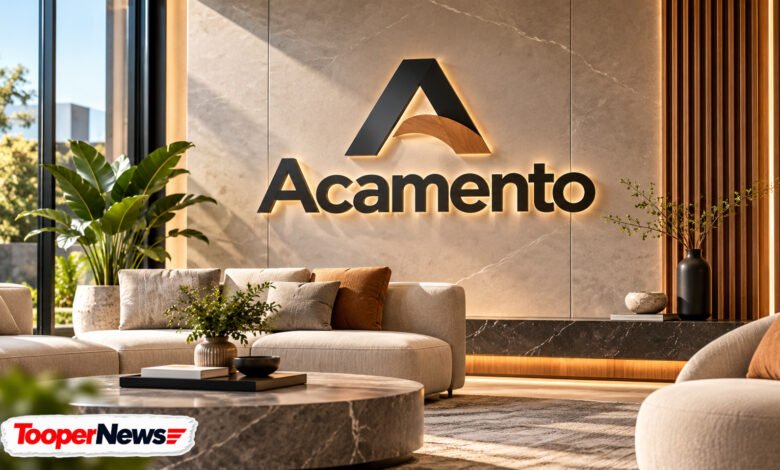
Acamento is a term that has attracted attention in online discussions about design, construction, craftsmanship, and finishing techniques. Although it may sound like a specialized industry concept, its exact meaning is not firmly established in recognized dictionaries. Many online explanations connect Acamento with the Portuguese word acabamento, which refers to finishing, completion, or the final improvements made to something. Understanding this connection helps explain why the term appears in conversations about materials, surfaces, furniture, and creative projects.
The idea commonly associated with Acamento is simple: the final details can make a significant difference to the appearance, usefulness, and overall quality of a finished product. Whether someone is renovating a house, restoring furniture, or preparing a handmade item, finishing work deserves careful attention. However, it is important to separate established finishing practices from unsupported claims about Acamento being a distinct technique or professional system. This guide explores its possible meaning, practical applications, benefits, and limitations.
What Is Acamento?
Acamento is an uncommon term that appears mainly in online content discussing finishing, refinement, and the final stages of a project. It does not have a widely verified definition as an independent technical term. Its closest documented linguistic connection is the Portuguese word acabamento, which describes the act of finishing or improving something. In construction, acabamento can refer to the final operations that give a building its completed appearance. In other industries, it can describe surface treatment, product finishing, or final production work.
When people use Acamento in a design or construction context, they generally appear to be referring to these established finishing activities. Examples include painting walls, polishing furniture, sealing wooden surfaces, and applying decorative coatings. These activities can improve appearance and, depending on the materials involved, provide useful protection. Still, Acamento should not automatically be treated as an official construction method, recognized industry standard, or separate professional discipline. The intended meaning depends on where and how the word appears.
Origin and Background of Acamento
The background of Acamento is closely associated with Portuguese terminology, although its exact origin as an independent word is not publicly confirmed. The established word acabamento comes from the Portuguese verb acabar, meaning to finish or complete, combined with the suffix -mento. Portuguese dictionaries recognize acabamento in contexts involving completion, improvement, manufacturing, and construction. These documented meanings explain why some English-language websites associate the shorter spelling Acamento with craftsmanship and final improvements.
There is no reliable evidence establishing when Acamento first appeared online or who introduced it in its present form. It may represent an altered spelling, a typing mistake, or a deliberately chosen label. These possibilities should not be confused with verified linguistic history. Unlike acabamento, which has recognized dictionary definitions, Acamento lacks a clearly documented technical background. Understanding this difference helps readers avoid treating an unfamiliar online expression as an established professional term.
How Acamento Relates to Construction and Interior Design
Construction finishing is one of the clearest practical contexts associated with Acamento. Once the main structural work is complete, builders carry out tasks that prepare surfaces and spaces for their intended use. These may include plastering, painting, installing floor coverings, fitting trim, and applying suitable surface treatments. The exact sequence depends on the project. Good finishing work helps create a consistent appearance while ensuring that materials meet the functional requirements of the building.
Interior design also places considerable importance on finishes. Wall textures, flooring materials, cabinet surfaces, and decorative details influence how a room looks and feels. For example, a matte wall finish produces a different visual effect from a glossy coating, while natural wood creates a different atmosphere from painted furniture. The right choice depends on lighting, maintenance needs, durability, and personal preference. In this setting, Acamento is best understood as an informal reference to finishing rather than a separate design process.
Common Types of Finishing Associated With Acamento
Several established finishing methods are commonly discussed in connection with Acamento. Each serves a different purpose, and the appropriate choice depends on the material and intended result.
- Polishing: Smooths a surface and may create a reflective appearance.
- Painting: Adds color and can provide a protective surface layer.
- Sanding: Removes roughness and prepares certain materials for further treatment.
- Sealing: Helps reduce moisture penetration or staining when the correct product is used.
- Staining: Changes or enhances the appearance of materials such as wood.
- Coating: Applies a surface layer for decorative or functional purposes.
- Texturing: Creates a particular surface pattern or tactile effect.
These methods are not interchangeable. A wooden tabletop, concrete floor, metal fixture, and interior wall require different preparation and finishing products. Some surfaces need multiple treatment stages, while others may arrive with factory-applied finishes. Product instructions and material compatibility should guide the process. For example, a coating designed for indoor furniture may not withstand prolonged outdoor exposure. Choosing the correct treatment is more important than simply achieving an attractive appearance immediately after application.
Why Quality Finishing Matters
Finishing affects more than appearance. Depending on the material and treatment, it can influence durability, cleaning requirements, moisture resistance, and everyday usability. A properly prepared and coated wooden surface may resist routine wear better than an untreated one. Similarly, appropriate finishes can help protect certain metal surfaces against corrosion. These benefits are not automatic, however. Performance depends on surface preparation, product selection, application quality, and the conditions in which the finished item is used.
Good finishing can also improve the experience of using a space or product. Smooth edges make furniture more comfortable to handle, consistent paintwork creates a cleaner appearance, and suitable floor finishes support the intended use of a room. Attention to detail can reduce the need for immediate corrections after a project is completed. However, even high-quality finishing requires maintenance. No single treatment guarantees permanent protection, and some decorative surfaces need more care than practical alternatives.
Acamento in Furniture, Woodworking, and Manufacturing
Furniture making provides a useful example of how finishing contributes to a completed product. After the main construction and assembly stages, manufacturers may sand surfaces, apply stains, add protective coatings, and inspect visible details. The selected finish influences the furniture’s color, texture, and maintenance requirements. For wooden furniture, surface preparation is particularly important because uneven sanding or unsuitable products can affect the final result. Different wood species may also respond differently to the same treatment.
Manufacturing uses finishing processes across many other materials and products. Metal components may receive coatings or polishing treatments, textiles undergo finishing operations that change their appearance or handling properties, and printed materials may receive additional surface treatments. These processes differ substantially in equipment, purpose, and technical requirements. Acamento is sometimes used online when discussing such activities, but the established professional terms remain surface finishing, textile finishing, coating, polishing, and other industry-specific descriptions.
How to Choose the Right Finishing Method
Selecting a suitable finish begins with understanding the material and how the finished surface will be used. Indoor and outdoor applications often have different requirements. A decorative wall may prioritize color and texture, while a frequently used tabletop may need a finish that tolerates regular cleaning. Exposure to sunlight, moisture, abrasion, and temperature changes can also influence product selection. Before beginning work, it is sensible to review manufacturer guidance and test the chosen finish on a small, less visible area when appropriate.
Budget and maintenance should also influence the decision. Some finishes require specialist preparation or professional application, while others are suitable for straightforward household projects. The least expensive option may not provide the best long-term value if it needs frequent repair or replacement. Equally, a premium finish is not automatically necessary for every application. Comparing material compatibility, expected performance, appearance, application requirements, and future upkeep helps produce a more practical result than choosing a treatment based only on its initial appearance.
Common Mistakes to Avoid During Finishing Work
One frequent mistake is applying a finish without preparing the underlying surface correctly. Dust, grease, moisture, loose paint, and uneven areas can interfere with adhesion or spoil the final appearance. Another problem is using products that are unsuitable for the material or environment. Applying too much coating, ignoring drying instructions, or combining incompatible products can also create disappointing results. These issues are particularly important when finishing floors, furniture, and surfaces exposed to regular wear.
Rushing the final stages can undermine work completed earlier in a project. Allowing sufficient preparation, application, drying, and curing time is often essential. Protective equipment and ventilation may also be necessary, depending on the product being used. Instructions should always take priority over general advice because different finishes have different safety requirements. A careful process does not guarantee perfection, but it can reduce avoidable problems and improve the consistency of the finished surface.
Is Acamento a Recognized Technology or Professional Platform?
Some online descriptions present Acamento as a digital tool, productivity platform, or organized system for improving workflows. However, reliable public evidence does not establish one clearly identifiable software product with that name and a verified set of features. Details such as its developer, official launch date, subscription prices, supported applications, and technical capabilities are not publicly confirmed. Readers should therefore avoid assuming that descriptions of dashboards, automation, or artificial intelligence refer to an established service.
The same caution applies to claims that Acamento represents a universally recognized design philosophy or formal finishing standard. While careful refinement is a genuine part of many creative and industrial processes, that does not establish Acamento as a certified methodology. Anyone encountering a product or service using this name should check its official documentation, ownership details, and independent evidence before relying on promotional descriptions. The most clearly supported interpretation remains its informal association with finishing and final improvement.
Conclusion
Acamento is an unusual online term most often associated with finishing, craftsmanship, and the final improvement of products or spaces. Its connection with the established Portuguese word acabamento offers a useful explanation, but the two spellings should not be treated as equally recognized technical terms. The practical ideas discussed under Acamento are familiar across construction, interior design, furniture making, and manufacturing.
Ultimately, successful finishing depends on choosing suitable materials, preparing surfaces properly, following product instructions, and considering long-term maintenance. Whether the goal is an attractive room, durable furniture, or a professionally completed product, attention to the final details can make a meaningful difference. Understanding the verified terminology also makes it easier to research techniques accurately and avoid misleading claims.
Frequently Asked Questions About Acamento
1. What does Acamento mean?
Acamento is an uncommon online term frequently associated with finishing, refinement, and final improvements. Its exact meaning is not established in major dictionaries. The closest recognized Portuguese word is acabamento, which refers to finishing, completion, or surface treatment.
2. Is Acamento a real Portuguese word?
Acamento is not established as the standard Portuguese term for finishing in the major dictionaries reviewed. The recognized spelling is acabamento. When Acamento appears in Portuguese-related construction or design content, it may be an altered or incorrect spelling.
3. Where is Acamento commonly used?
Online discussions associate Acamento with construction, interior design, woodworking, furniture production, and manufacturing. These industries use established finishing processes, including painting, polishing, sanding, sealing, and coating, although Acamento itself is not a verified universal industry term.
4. What are the main benefits of good finishing?
Appropriate finishing can improve appearance, surface comfort, durability, and resistance to certain environmental conditions. The benefits depend on the material, treatment, application quality, and maintenance. Not every finish provides the same level of protection.
5. Is Acamento an AI tool or software platform?
Some websites describe Acamento as a technology or productivity platform, but its official developer, features, pricing, and availability are not publicly confirmed through reliable documentation. Such claims should be independently verified before treating the platform as an established product.