

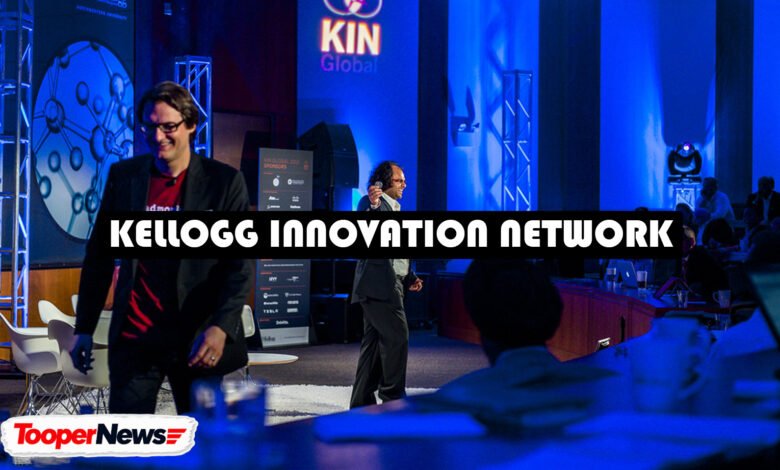
The Kellogg Innovation Network (KIN) is a global innovation initiative originally established at Northwestern University’s Kellogg School of Management in 2003. It brought together business executives, academic researchers, government representatives, nonprofit leaders, and creative thinkers to explore new ideas and address major challenges. Rather than focusing only on business growth, the network encouraged collaboration that could create lasting economic and social value. Its approach helped connect people from different industries who shared an interest in innovation, leadership, and meaningful change.
Over time, the Kellogg Innovation Network became known for its international conferences, leadership discussions, and commitment to innovation-driven prosperity. Its activities provided opportunities for decision-makers to exchange knowledge, develop partnerships, and consider solutions to complex problems. The initiative eventually evolved into an independent organization called The World Innovation Network (TWIN). Understanding KIN’s history, founders, achievements, and evolution offers valuable insight into how professional networks can encourage innovation across business, government, education, and society.
Early History and Establishment of Kellogg Innovation Network
The Kellogg Innovation Network began in 2003 through the efforts of Robert C. Wolcott, Mohanbir Sawhney, and a group of corporate innovation leaders. It developed within Northwestern University’s Kellogg School of Management, an institution recognized for business education and management research. The founders wanted to create an environment where experienced professionals could discuss innovation challenges beyond the boundaries of individual companies. Their goal was to connect academic knowledge with practical business experience and encourage cooperation among people who could influence important decisions.
During its early years, KIN concentrated on discussions involving technology, entrepreneurship, management strategy, and economic development. Its founders recognized that organizations often face similar problems, even when they operate in different industries. By bringing executives and researchers together, the network created opportunities to compare experiences and explore new approaches. This collaborative model became central to its identity. Northwestern University’s historical reporting confirms that the initiative involved Kellogg faculty and corporate innovation leaders from its beginning.
Founders and Leadership Behind the Network
Robert C. Wolcott played a major role in establishing and developing the Kellogg Innovation Network. He has worked as an educator, researcher, entrepreneur, and innovation adviser. His academic background includes a bachelor’s degree in European and Chinese History, along with graduate degrees in Industrial Engineering and Management Science from Northwestern University. Wolcott also co-authored Grow From Within: Mastering Corporate Entrepreneurship and Innovation with Michael Lippitz. His experience connecting business strategy with entrepreneurship helped shape KIN’s approach to leadership and organizational growth.
Mohanbir Sawhney was another important figure in KIN’s creation. As a professor at the Kellogg School of Management, he contributed academic expertise in innovation and technology management. Together, the founders supported a model that connected research with real-world business challenges. Wolcott later remained closely associated with the network’s development and its successor organization. The Kellogg School of Management faculty profile provides additional information about his professional background and involvement in the initiative.
Mission and Main Objectives of Kellogg Innovation Network
The primary mission of the Kellogg Innovation Network was to encourage innovation-led growth through collaboration among influential leaders. Its activities aimed to connect people who could share research, exchange ideas, and develop practical responses to emerging challenges. Unlike networks devoted exclusively to commercial interests, KIN included representatives from government, academia, nonprofit organizations, and the arts. This broader participation reflected the belief that economic prosperity and social progress often require cooperation across several sectors rather than isolated efforts.
Another important objective was building long-term relationships between participants. KIN emphasized continuing dialogue instead of treating conferences as one-time networking opportunities. Leaders could discuss technological change, market disruption, entrepreneurship, and sustainable development while learning from different professional perspectives. The network also encouraged participants to consider how their decisions affected communities and industries. Its mission combined business innovation with a wider interest in prosperity, creating a framework that connected leadership development with meaningful social and economic challenges.
Career Development and Major Programs
As the Kellogg Innovation Network developed, it introduced programs designed to support discussion and collaboration. One of its best-known activities was KIN Global, an annual gathering that brought together leaders from different countries and professional backgrounds. The network also organized KIN Dialogues, which offered smaller settings for exploring specific innovation and entrepreneurship topics. These events encouraged participants to discuss challenges openly, share professional experiences, and consider practical solutions that could apply across different organizations.
KIN Catalyst was another initiative associated with the network’s broader activities. Together, these programs reflected an effort to move beyond traditional academic conferences and build relationships among people working on significant challenges. Historical reports describe KIN as a meeting place for executives and innovation leaders interested in global trends, emerging research, and business growth. Its programs helped create a recognizable identity centered on strategic conversations, international cooperation, and the exchange of ideas.
Major Achievements and Global Success
One of the Kellogg Innovation Network’s most significant achievements was establishing an international platform for leadership collaboration. Its KIN Global Summit attracted participants from business, government, academia, nonprofit organizations, and creative industries. The gatherings encouraged discussions about global prosperity and the role of innovation in addressing important challenges. A 2009 Kellogg report also described efforts to support innovation-led growth in Colombia, demonstrating how the network’s activities extended beyond conferences and into discussions about economic development.
The 2009 summit also demonstrated KIN’s interest in social impact. Following a presentation by humanitarian Kimmie Weeks, delegates contributed nearly $50,000 to Youth Action International, an organization supporting children affected by conflict. This example showed how professional connections could encourage practical contributions. Although the network’s overall financial and economic impact has not been publicly quantified, its documented events and international relationships remain important parts of its history. These activities helped establish the foundation for the organization that eventually became TWIN.
Transition From KIN to The World Innovation Network
The Kellogg Innovation Network eventually evolved into The World Innovation Network, commonly known as TWIN. This transition marked an important stage in the organization’s development. While KIN originated within Northwestern University’s Kellogg School of Management, TWIN operates as an independent international network. Its heritage remains closely connected to the original initiative, and the organization acknowledges Robert C. Wolcott’s role in its establishment. The change allowed the network to maintain its collaborative mission while developing an identity beyond its original academic setting.
According to TWIN’s official website, the organization connects leaders from more than 30 countries. Its community includes people working in business, government, the arts, and philanthropy. TWIN organizes in-person and virtual programs intended to strengthen relationships and create opportunities for collaboration. The organization also maintains connections with Northwestern University. This evolution demonstrates how a university-based initiative can develop into an independent international community while preserving its original emphasis on innovation and meaningful professional relationships.
Organizational Culture, Lifestyle, and Personal Details
The Kellogg Innovation Network was an organization rather than an individual, so traditional biographical details such as age, height, marriage, and family background do not apply. Its organizational culture, however, offers useful insight into how it operated. KIN emphasized intellectual curiosity, open discussion, and relationships between professionals from different backgrounds. Its events brought together participants who might not otherwise have worked closely. This environment encouraged broader thinking about leadership, innovation, economic development, and the responsibilities of influential institutions.
KIN’s activities also reflected a strong interest in connecting professional success with social responsibility. Its conferences included discussions about humanitarian challenges, international development, and the role of creativity in innovation. Participants came from different professional environments, making diverse perspectives an important part of the experience. The personal lifestyles of individual members were not central to the network’s public mission. As an organization, KIN was primarily defined by its collaborative approach, international events, and commitment to connecting ideas with action.
Kellogg Innovation Network Net Worth, Funding, and Social Media
The Kellogg Innovation Network’s net worth is not publicly confirmed. Reliable public sources do not provide a verified overall valuation or comprehensive financial statement establishing the network’s assets. Historical research indicates that participants paid fees for certain KIN events, but these details do not establish the organization’s total revenue, profitability, or financial value. It would therefore be misleading to assign a specific net worth to KIN or treat the finances of Northwestern University as the finances of the network itself.
For current information, readers can visit the official website of its successor, The World Innovation Network. TWIN provides details about its mission, heritage, community, and activities through its online presence. Historical information about KIN is also available through Northwestern University’s published articles and faculty records. Dedicated, currently active social media accounts under the original Kellogg Innovation Network name are not publicly confirmed. Readers should rely on official organizational channels rather than assuming that similarly named social media profiles represent the original network.
Conclusion
The Kellogg Innovation Network played a meaningful role in connecting academic research, business leadership, and international collaboration. Founded in 2003 by Robert C. Wolcott and Mohanbir Sawhney, it developed programs that encouraged innovation-driven growth and cooperation across industries. Its global gatherings and leadership discussions demonstrated the value of bringing different perspectives together. The network’s transition into The World Innovation Network preserved much of this collaborative vision while extending its identity beyond the Kellogg School of Management.
Today, KIN’s legacy is reflected in TWIN’s international community and continuing emphasis on relationships, new ideas, and practical collaboration. Its history offers a useful example of how academic institutions can help establish networks that reach beyond education and influence wider professional communities. Although some organizational and financial details remain unconfirmed, its founding, major programs, and evolution are well documented. The Kellogg Innovation Network remains a noteworthy example of collaboration designed to connect innovation with long-term economic and social progress.
Frequently Asked Questions (FAQs)
1. What is the Kellogg Innovation Network?
The Kellogg Innovation Network was an innovation and leadership network established at Northwestern University’s Kellogg School of Management. It connected business executives, researchers, government representatives, and nonprofit leaders to discuss innovation, entrepreneurship, and economic growth. The initiative eventually evolved into The World Innovation Network, an independent international organization.
2. Who founded the Kellogg Innovation Network?
Robert C. Wolcott and Mohanbir Sawhney founded the Kellogg Innovation Network in 2003, working with corporate innovation leaders. Both were associated with the Kellogg School of Management. Their shared objective was to create a platform that connected academic research with practical business knowledge and international leadership collaboration.
3. Is the Kellogg Innovation Network still active?
The original Kellogg Innovation Network evolved into The World Innovation Network, also known as TWIN. The successor organization operates independently while maintaining historical connections with Northwestern University. It continues the broader mission of bringing together leaders from different sectors to exchange ideas and build professional relationships.
4. What was the main purpose of KIN Global?
KIN Global was an annual summit designed to bring together international leaders for discussions about innovation, prosperity, and significant global challenges. It encouraged participants from business, government, academia, and nonprofit organizations to share knowledge, develop relationships, and explore opportunities for collaborative action.
5. What is the net worth of the Kellogg Innovation Network?
The net worth of the Kellogg Innovation Network is not publicly confirmed. No reliable public financial disclosure establishes a verified valuation for the original network. Its historical event activities and association with Northwestern University do not provide sufficient evidence to calculate its overall financial value.